Buenos Aires Short-Let Math Favors Congreso Over Palermo Airbnb Listings
When I first visited Buenos Aires, I booked an apartment in Palermo Soho because every guide said that's where the action is. I paid around US$ 85 a night for a studio with a tiny kitchenette and a window facing a bar that blasted reggaeton until 3 a.m. After three nights of poor sleep and expensive café breakfasts, I moved to a two-bedroom near Congreso for US$ 52 a night. The difference wasn't just price — it was a lesson in how short-let math works in this city.
Palermo is beautiful. Its tree-lined streets, boutique shops, and world-class restaurants make it a magnet for tourists. But the numbers suggest many travelers are overpaying for walkability they barely use, while ignoring Congreso's superior transit connections and lower cost of living. This article walks through the key factors — nightly rates, subway access, grocery prices, noise, safety, and decision-making — so you can make an informed choice.
The Palermo Premium: Why Tourists Pay 40% More for a Night
As of late 2024, a typical one-bedroom Airbnb in Palermo Soho or Palermo Hollywood runs between US$ 75 and US$ 90 per night, according to data from AirDNA. The same-sized listing in Congreso — often with higher ceilings and more natural light — averages US$ 45 to US$ 60. That's a gap of roughly 40% for comparable square footage.
The premium is driven almost entirely by Palermo's restaurant and bar scene. Travelers pay for the promise of a vibrant street life, even if they end up eating at the same three places because the neighborhood is so dense. Congreso, by contrast, lacks the same concentration of trendy eateries but sits within a 15-minute walk of the Microcentro's lunch spots and a 10-minute Subte ride to San Telmo's markets.
Occupancy data from AirDNA shows that Palermo listings fill at rates above 70% year-round, which keeps prices high. Landlords know they can charge a premium and still book most nights. Congreso's occupancy is lower — around 55–60% — which means more room for negotiation, especially for stays of a week or longer. Some hosts offer weekly discounts of 15–20% that you rarely see in Palermo.
But the premium isn't just about demand. Palermo's zoning laws have restricted new short-term rental permits in recent years, capping supply. Congreso, with its older buildings and fewer regulatory hurdles, has seen a steady increase in listings. More supply means more competition, which pushes prices down. If you're willing to trade a boho vibe for a functional base, the savings add up quickly.
One concrete example: a friend of mine booked a Palermo Hollywood studio for a two-week work trip in November 2024. The nightly rate was US$ 82, plus a US$ 45 cleaning fee and US$ 12 in service charges, bringing the total to about US$ 1,200 for 14 nights. After three days of noisy construction next door, she moved to a Congreso one-bedroom with a dedicated desk and faster Wi-Fi for US$ 55 per night, with no cleaning fee. Her total dropped to US$ 770 — a saving of US$ 430, which she spent on a weekend trip to Mendoza.
Congreso's Hidden Transit Advantage: Subte Lines A, B, D, E
One of the most overlooked factors in neighborhood choice is transit access. Palermo's nearest Subte stations are on Line D (Palermo, Plaza Italia, Scalabrini Ortiz) and Line B (Malabia, Ángel Gallardo). But many Palermo apartments are a 15-minute walk from the nearest station — especially those tucked into the quieter side streets. That walk eats into your day, especially if you're heading to the Microcentro or Retiro.
Congreso station, on the other hand, is a hub where Lines A, B, D, and E converge. From Congreso, you can reach the Obelisco in two stops on Line A (about 5 minutes) or the Casa Rosada in four stops. To get from Palermo to the same destinations, you often need a bus or a Subte transfer at Carlos Pellegrini, adding 15–20 minutes each way. Over a week-long trip, that's hours of extra commuting.
Taxi fares also favor Congreso. A ride from Congreso to the Microcentro costs roughly AR$ 1,500–2,000 (around US$ 1.50–2.00 as of late 2024), while a similar trip from Palermo runs AR$ 2,500–3,500 — about 30% more. If you take two or three taxis a day, the difference adds up to US$ 5–10 daily, further narrowing the apparent Palermo advantage.
For travelers who plan to visit multiple neighborhoods — San Telmo, La Boca, Recoleta, Puerto Madero — Congreso's central location is a clear winner. Palermo is great if you mostly stay in Palermo. But if your itinerary includes the city's historic core, Congreso saves time and money on every trip.
Consider this: a digital nomad I know stayed in Palermo for a month and spent roughly 40 minutes each way commuting to a coworking space in Microcentro. That's over 13 hours of commuting per week. When she switched to Congreso for her second month, her commute dropped to 10 minutes each way — saving her nearly 10 hours a week. Over a month, that's a full workday reclaimed. For remote workers on tight schedules, that time is valuable.
The Supermarket Test: Staple Prices in Once vs. Palermo
A quick way to gauge a neighborhood's cost of living is to visit the nearest supermarket. In Palermo, the organic-focused stores like Barraca Verde or the small Disco on Gorriti charge a premium: a kilo of rice might cost AR$ 400 (about US$ 0.40), but in the Once market area near Congreso, the same bag sells for AR$ 250. Chicken breast runs roughly US$ 4 per kilo in Once versus US$ 6.50 in Palermo. A decent bottle of Malbec goes for AR$ 1,200–1,800 in the Once area, while Palermo's wine shops start at AR$ 2,500.
These differences matter if you plan to cook some meals. Self-catering in Congreso can save US$ 8–12 per day compared to eating out or buying groceries in Palermo. For a couple staying a week, that's US$ 56–84 — enough to cover a nice dinner out.
The Once market is not just cheaper; it's also more varied. You'll find bulk dried goods, fresh produce, and cuts of meat that are harder to source in Palermo's smaller shops. The trade-off is that Once can feel chaotic and crowded, especially on weekends. Some travelers find the experience overwhelming, but the savings are real.
If you're not planning to cook, this factor matters less. But for digital nomads or budget-conscious travelers who eat one or two meals at home, the supermarket gap is a concrete reason to choose Congreso. Even buying just breakfast supplies — coffee, milk, bread — can cut daily costs by US$ 3–5.
Let's put some numbers on a typical week. A solo traveler in Palermo eating out for all meals might spend US$ 30–40 per day on food. In Congreso, cooking breakfast and dinner at home and eating a cheap lunch out could bring that down to US$ 15–20 per day. That's a saving of US$ 105–140 per week, on top of the lodging savings. For a two-week trip, the combined saving can easily exceed US$ 500.
Noise and Nightlife: The Trade-Off After Midnight
Palermo's nightlife is legendary, but it comes at a cost: noise. In Palermo Soho, bars and clubs on streets like Honduras and El Salvador blast music until 4 a.m. nightly. A street-facing apartment can be unbearable without earplugs, and even then, bass vibrations travel through older building structures. AirDNA reviews for Palermo listings mention noise in roughly 30% of comments, according to a 2023 analysis by the blog Buenos Aires Real.
Congreso is quieter after 11 p.m., especially on side streets away from Avenida de Mayo. The area is more residential and office-oriented, so foot traffic drops sharply after dark. Many older buildings in Congreso have double-glazed windows (installed to block street noise from the wide avenues), which helps. Palermo's newer developments often prioritize aesthetics over soundproofing.
That said, Congreso is not silent. Avenida de Mayo carries bus and taxi traffic until late, and the area around the Congress building can have protests or rallies during the day. But for sleeping, Congreso generally wins. If you're a light sleeper, check Airbnb reviews for keywords like "noise" and "street-facing" before booking in either neighborhood.
The trade-off is access to nightlife. In Palermo, you can stumble home from a bar in five minutes. In Congreso, you'll need a taxi or Subte (which stops running around 11 p.m. on weeknights, later on weekends). For travelers who value sleep over bar-hopping, Congreso is the better choice. For night owls, Palermo's premium might be worth it.
I once met a couple who split their stay: four nights in Palermo for the party scene, then three nights in Congreso to recover and explore the historic center. They said it was the perfect compromise — they got the best of both neighborhoods without overpaying for a full week in Palermo. That kind of split stay is worth considering if your budget and schedule allow.
Safety Perception vs. Data: Robbery Rates in Both Barrios
Safety is a common concern when choosing a neighborhood. According to data from the Buenos Aires government (2019, the last year with complete statistics), Palermo had a robbery rate of roughly 1.5 per 1,000 residents, while Congreso's rate was about 2.1 per 1,000. Both are significantly safer than Once (4.3) or Constitución (5.8). Pickpocketing is more common in Congreso, especially around the Subte station and the Once market, but violent crime is rare in both areas.
Interestingly, nighttime street lighting is better in Congreso's wide boulevards than in Palermo's narrower, tree-shaded streets. Women travelers I've spoken with often report feeling safer walking alone after dark in Congreso because the streets are better lit and more open. Palermo's dark side streets can feel isolated despite the crowds.
That said, perception matters. Many tourists feel uneasy in Congreso because the area is less polished and has more visible homelessness. Palermo feels more curated and safe, even if the numbers don't show a dramatic difference. Your comfort level should guide your choice, but the data suggests both neighborhoods are reasonable for a careful traveler.
Practical tips: avoid walking alone late at night in either area with your phone out. Use the Subte during daylight hours. In Congreso, stick to Avenida de Mayo and the streets immediately around the Congress building, which have heavy foot traffic until late. The same caution applies in Palermo's quieter blocks.
It's also worth noting that Congreso has a visible police presence near the government buildings, which can be reassuring during the day. Palermo's security is more diffuse. If you're a solo traveler, especially a woman, consider reading recent Airbnb reviews that mention safety. One traveler wrote that she felt perfectly safe walking from Congreso station to her apartment at 10 p.m., while another mentioned being catcalled in Palermo. Your mileage may vary.
How to Reverse-Engineer a Neighborhood Decision in 20 Minutes
To decide between Palermo and Congreso, start by mapping your daily destinations. If you're spending most of your time in the Microcentro, Recoleta, or San Telmo, Congreso's transit advantage is clear. If your itinerary is Palermo-heavy (parks, museums like MALBA, and boutique shopping), Palermo makes more sense.
Next, check Subte lines. Congreso connects four lines; Palermo connects two. Use the Subte map to see which station is closest to your planned activities. A 2-stop ride from Congreso to the Obelisco beats a 20-minute bus from Palermo to the same spot.
Cross-check Airbnb hidden fees. Many listings show a low nightly rate but add cleaning fees of US$ 30–50 and service charges of 10–15%. A US$ 50 apartment can become US$ 70 with fees. Read the full breakdown before comparing. Also filter for "entire place" to avoid shared spaces, which are more common in Congreso.
Finally, use Numbeo to compare grocery and restaurant prices. As of late 2024, Numbeo shows groceries in Congreso roughly 20% cheaper than in Palermo, and restaurant meals about 15% cheaper. Plug your expected spending into a simple spreadsheet: if you save US$ 10 per night on lodging and US$ 8 per day on food, that's US$ 126 over a week — enough for a tango show and a nice dinner.
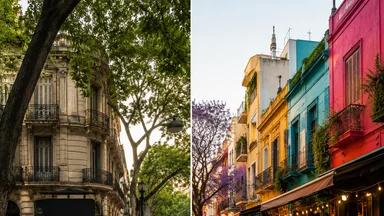
But don't forget intangibles. Congreso's architecture is stunning — many buildings date to the early 1900s with ornate facades and grand staircases. Palermo's charm is more about street art and boutique design. If you're an architecture buff, Congreso might win on aesthetics alone. I've spent hours just walking around Congreso, photographing the old theaters and cafes. Palermo's beauty is more manicured, but Congreso feels like stepping back in time.
When Palermo Still Makes Sense (and When It Doesn't)
Palermo is worth the premium for travelers who prioritize design, walkability to cafes and bars, and a polished aesthetic. If your budget allows US$ 80–100 per night and you plan to spend most of your time in the neighborhood, the convenience can justify the cost. Families with children may prefer Palermo's parks (like the Botanic Garden) and safer-feeling streets, even if they pay 30% more per night.
Congreso is ideal for remote workers who need quiet, reliable internet, and easy transit to coworking spaces in the Microcentro. Solo travelers and couples on a tighter budget can save US$ 200 or more per week by choosing Congreso, especially for stays over five nights when weekly discounts kick in. The neighborhood's historic architecture and lower tourist density also offer a more local experience.
That said, Congreso is not for everyone. If you want a vibrant street scene with trendy restaurants and bars at your doorstep, you'll be disappointed. The area has plenty of cafes and a few good parrillas, but nothing like Palermo's concentration. And while transit is excellent, the area can feel less lively on weekends.
Ultimately, the short-let math favors Congreso for most budget-conscious travelers, but the right choice depends on your priorities. For a trip where sleep, savings, and transit matter more than nightlife, Congreso is the smarter play. For a splurge vacation where atmosphere is the goal, Palermo still delivers. The key is knowing what you're buying — and what you're giving up.
One final thought: don't overlook the shoulder seasons. In March or November, when tourist numbers dip, Palermo prices sometimes drop to within 20% of Congreso's. At that point, the premium might be worth paying for the convenience. But during peak months (January, July, and during major events like the Buenos Aires International Book Fair), Congreso's price advantage widens. Always check seasonal trends before booking.
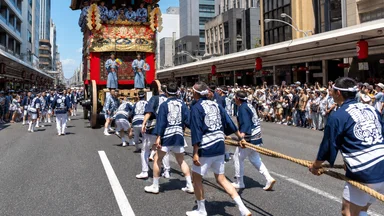
For more on how lodging costs fluctuate around events, check out our analysis of Zanzibar Spice Festival rates and Kyoto Gion Matsuri pricing. And if you're considering bus travel in Argentina, our piece on Kerala bus route math offers a similar transit-vs-cost framework.