Kyoto Gion Matsuri Lodging Doubles Four Weeks Before July Floats
Four weeks before the floats roll through central Kyoto, the city's lodging market shifts into a different gear. Gion Matsuri, the month-long festival that culminates in the Yamaboko Junko parades on July 17 and 24, draws well over a million visitors each year. By late June, budget hostels are full, mid-range ryokan have doubled their rates, and the cheapest capsule beds are a memory. For anyone planning to attend in 2025, the math is simple but unforgiving: book early or pay a premium that can reach two to three times the off-season baseline.
Gion Matsuri Lodging Surge Hits Four Weeks Out
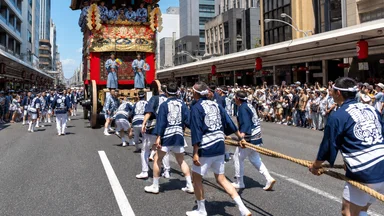
The festival spans all of July, but the real pressure comes in the final two weeks. The Yamaboko Junko parades on July 17 and 24 are the main events, with 32 massive floats—some weighing up to 12 tons—pulled through the streets by teams in traditional dress. Crowds on those days are estimated at 200,000 or more along the parade route, concentrated around Karasuma and Shijo streets.
Booking data from 2024 shows that the four-week mark—around the first week of June for the July 17 parade—is when the cheapest rooms vanish. Capsule hotels that normally charge around US$30–40 per night jump to US$50–80. Business hotel twin rooms, typically US$80–120 off-season, climb to US$150–250. The spike is not gradual; it happens in a matter of days after the first wave of domestic and international bookings.
This surge is not unique to Gion Matsuri, but its scale is notable. Similar patterns appear at other major Japanese festivals, such as the Aomori Nebuta Matsuri, where hotel rates in the city center triple two weeks before the parade. The key difference in Kyoto is the sheer volume of visitors—over a million during July—and the limited number of hotel rooms in the city center. Many visitors end up staying in Osaka or Uji, commuting 30 to 45 minutes each way.
For late planners, the options narrow quickly. By early July, luxury hotels near full, and last-minute cancellations are rare. Some travelers report success checking booking sites daily for cancellations, but this is a gamble. The safest strategy is to lock in lodging four to six months ahead, ideally by March for a July visit.
Why Gion Matsuri Draws Over a Million Visitors
Gion Matsuri has roots stretching back to the 9th century, when it was a purification ritual to appease gods during a plague. Today, it is one of Japan's three great festivals and a UNESCO Intangible Cultural Heritage since 2009. The centerpiece is the Yamaboko Junko, where 32 floats—some shaped like spears, others like mountain huts—parade through the streets.
The floats are not just decorative; they are engineering marvels. Each yamahoko float weighs up to 12 tons and is assembled without nails, using ropes and wooden pegs. The largest, the naginata-hoko, carries a 25-meter-long pole. Pulling them requires dozens of men in traditional happi coats, and the spectacle draws crowds that line the streets from early morning.
Beyond the parades, the festival includes yoiyama street parties from July 10 onward. These evening gatherings feature food stalls, traditional music, and the chance to view the floats up close. The atmosphere is festive but orderly, with locals and tourists mingling in the narrow lanes of the Gion district. For many visitors, the yoiyama nights are the highlight—less crowded than the parades and more relaxed.
The cultural significance of Gion Matsuri cannot be overstated. It is a living tradition that involves the entire city, from the float-building committees to the local businesses that sponsor them. The festival's UNESCO designation has only increased its international profile, drawing visitors from Europe, North America, and across Asia. This global appeal is a double-edged sword: it brings revenue but also strains infrastructure.
Booking Windows and Price Spikes by Week
Understanding the booking timeline is essential for managing costs. The surge begins in mid-May, when early-bird bookings for July 17 and 24 start to fill. By late June, budget hostels in central Kyoto are fully booked. Capsule hotels and guesthouses near the parade route are the first to go, followed by business hotels in the Gion and Kawaramachi areas.
Early July sees mid-range ryokan double their rates. A typical ryokan with kaiseki dinner that costs US$200–300 off-season jumps to US$400–700. These properties often have only 10 to 20 rooms, so they fill quickly. Luxury hotels like the Ritz-Carlton or the Four Seasons near full by the first week of July, with suites priced above US$1,000 per night.
The weekend of July 17–18 is the peak price ceiling. Some hotels report rates three times the off-season average. For example, a twin room at a mid-range business hotel like the Daiwa Roynet might cost US$80 in April but US$250 on July 17. The same pattern repeats for the July 24 parade, though the spike is slightly less severe because many visitors leave after the first weekend.
Last-minute cancellations are rare but possible. Some travelers cancel due to illness or schedule changes, and these rooms appear on booking sites at original prices. However, competition for these is fierce, and they are often snapped up within minutes. Setting up alerts on sites like Booking.com or Agoda can help, but there is no guarantee.
Ground-Truth Lodging Costs for 2025
The following figures are based on 2024 listings and are likely similar for 2025, though inflation and demand may push prices up slightly. All figures are in US dollars and represent per-night costs for July 16–17, the peak of the festival.
- Capsule hotel bed: US$50–80. Pod-style hostels near Kyoto Station or Shijo. These are the cheapest option but book fastest.
- Business hotel twin room: US$150–250. Chains like Toyoko Inn or Super Hotel. Most are within a 15-minute walk of the parade route.
- Traditional machiya rental: US$300–500. Entire townhouses, often with tatami mats and a small garden. Popular with groups of 4–6.
- Ryokan with kaiseki dinner: US$400–700. Includes dinner and breakfast. Top-end ryokan like Seikoro can exceed US$800.
These prices assume booking at least three months ahead. Waiting until June typically adds 20–30% to these ranges. For those on a tight budget, staying in Osaka is the most practical alternative. Capsule hotels in Osaka's Namba district run US$30–50 per night, and the train to Kyoto takes about 30 minutes.
It is worth noting that these figures are from public booking platforms and may not reflect direct reservations or package deals. Some ryokan offer better rates when booked through their own websites, though the savings are usually modest—maybe 10–15%.
Transport Surge: Trains and Buses Under Pressure
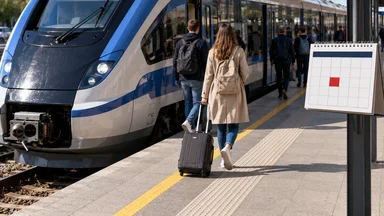
Kyoto's transport network is designed for a city of 1.5 million, not the 200,000-plus visitors who converge on the parade route. JR Kyoto Station handles roughly 400,000 passengers daily during the festival, up from a typical 300,000. The Hankyu and Keihan lines add extra cars on July 16–17, but trains are still packed.
City buses run on a holiday schedule on July 16–17, meaning reduced frequency on some routes. The buses that serve the parade area—routes 4, 5, 17, and 205—are often delayed by 20–30 minutes due to road closures. Many visitors find it faster to walk from Kyoto Station to the parade area, a 20-minute walk, rather than wait for a bus.
Taxi queues near the parade route exceed 30 minutes after 6 pm. Ride-share apps like Uber and DiDi show surge pricing of 1.5 to 2 times the base fare during peak hours. Some drivers refuse short trips because they prefer longer, more profitable fares to the suburbs. The best strategy is to walk a few blocks away from the main drag to find a taxi.
For those coming from Tokyo, the Shinkansen bullet train runs roughly every 10 minutes, but seats sell out on July 16 and 23. Booking at least one month ahead is recommended. Reserved seats cost about US$130 one way; unreserved seats are cheaper but require queuing. The journey takes roughly 2 hours and 15 minutes.
What to Book Now and What Can Wait
Lodging is the priority. Book four to six months ahead for the best rates. If you miss that window, consider staying in Osaka, Uji, or even Nara, where prices are lower and trains run frequently. Reserve parade-viewing seats through the official lottery system, which opens in May. These seats are on bleachers along the parade route and cost around US$50–100.
Yoiyama street food stalls need no advance booking. They operate on a first-come, first-served basis, and lines are manageable on weeknights. The stalls serve festival favorites like yakitori, takoyaki, and chilled beer. Cash is king; most stalls do not accept cards.
Train tickets from Tokyo to Kyoto can be booked one month ahead via the JR website or at ticket machines. If you have a Japan Rail Pass, reserve seats early. Temple visits like Kiyomizu-dera or Fushimi Inari are walk-in only; no advance booking is needed, but they are crowded during the festival. Aim for early morning or late afternoon to avoid the worst of the crowds.
Luggage forwarding services like takkyubin are worth arranging in advance. They deliver suitcases from Kyoto Station to your hotel, or from your hotel to the airport, for around US$15–25 per bag. This saves you from dragging luggage through crowded train stations.
Money-Saving Strategies for Late Planners
If you are reading this in June or early July, do not panic. There are still ways to attend Gion Matsuri without breaking the bank. The most effective strategy is to stay outside Kyoto. Osaka's Umeda or Namba areas offer capsule beds for US$30–50 per night, and the train to Kyoto costs about US$5–8 each way. The commute is 30–45 minutes, but it is painless if you avoid rush hour.
Choose a weekday arrival to avoid weekend rates. Tuesday through Thursday are the cheapest nights. If you can arrive on July 14 and leave on July 18, you will skip the highest-priced Saturday night. Many hotels offer lower rates for stays that avoid the weekend.
Use luggage forwarding to skip hotel congestion. Hand your suitcase to the hotel front desk or a convenience store, and it will arrive at your next destination within 24 hours. This frees you to explore without the burden of a bag and avoids the need to check in early.
Eat at convenience stores for quick, cheap meals. FamilyMart, Lawson, and 7-Eleven offer onigiri, sandwiches, and hot meals for under US$5. This is a common strategy among budget travelers in Japan, and it works well during the festival when restaurants are crowded and prices are inflated.
Free parade viewing is available from the Shijo Karasuma intersection, where the floats turn. This spot is less crowded than the main viewing areas, and you can see the floats from multiple angles. Arrive by 8 am to claim a spot; the parade passes through around 9 am. Alternatively, watch from the upper floors of department stores like Daimaru or Takashimaya, which offer air-conditioned viewing.
Trade-Offs: Central Kyoto vs. Commuting from Osaka
Staying in central Kyoto offers convenience but at a steep price. You can walk to the parade route, return to your room for a break, and enjoy the evening yoiyama without worrying about last trains. The trade-off is cost—potentially two to three times what you would pay in Osaka. For some travelers, the extra hundred dollars per night is worth the time saved. For others, that same money could fund several days of meals or a side trip to Nara.
Commuting from Osaka saves money but adds time and stress. The last train from Kyoto to Osaka is around midnight, so you must leave the festival early or risk a very expensive taxi ride. During peak hours, the train is packed, and you may stand for the entire 30-minute journey. Some travelers report that the commute cuts into their enjoyment, making them feel rushed. On the other hand, those who stay in Osaka can explore Dotonbori at night, which is lively and full of affordable food options.
A middle ground is to stay in Uji, about 20 minutes south of Kyoto. Uji is quieter, with cheaper hotels and a few ryokan. The train to Kyoto is frequent, and the town itself is worth visiting for its famous green tea and Byodo-in temple. However, Uji has fewer dining and entertainment options at night, so you may end up eating at convenience stores. Similarly, Nara is about 45 minutes away by train, offering budget hostels and a chance to see the deer park, but the commute is longer.
For groups, renting a machiya in Kyoto can be cost-effective if split among four to six people. A machiya for US$300–500 per night works out to US$75–125 per person, which is competitive with a business hotel twin. The downside is that machiya often require a minimum stay of two or three nights, and they book up fast. They also lack the services of a hotel, such as daily housekeeping or a front desk.
Alternative Viewing Strategies
The official paid seating along the parade route offers guaranteed views for US$50–100, but these tickets are limited and distributed by lottery. If you miss the lottery, you can still watch for free from the Shijo Karasuma intersection or from the upper floors of department stores. Another option is to watch the floats being assembled in the days before the parade. The float-building areas are open to the public, and you can see the intricate rope work up close without the crowds. This is a popular activity among photography enthusiasts.
Some travelers choose to attend the yoiyama evenings instead of the parades. The yoiyama are less crowded, and you can sample street food while listening to traditional music. The floats are illuminated at night, creating a different atmosphere. This approach reduces the need for parade-viewing strategy and allows for a more relaxed schedule. However, you miss the main event, which for many is the highlight of the festival.
Ultimately, the best money-saving strategy is to plan ahead. But even for late planners, a combination of flexible lodging, smart transport, and local knowledge can make Gion Matsuri an affordable experience. The festival is not going anywhere, and neither are the crowds. The trick is to work around them.