Kerala Monsoon Season Room Rates Drop to One-Third November Peak
Kerala's monsoon season, running roughly from June to August, is the state's best-kept secret for budget travelers — at least on paper. Room rates at mid-range hotels in Alleppey, Munnar, and Fort Kochi drop to around ₹2,500–5,000 per night, compared to ₹8,000–15,000 in November. That is a discount of roughly 60 to 70 percent, based on data from booking platforms like Booking.com and Agoda as of late 2024. But the savings come with a catch: rain, and not just a drizzle. The southwest monsoon dumps about 70 percent of Kerala's annual 3,000 mm of rain between June and September. Yet many travelers find the trade-off worthwhile, especially those willing to trade perfect beach weather for empty temples, roaring waterfalls, and Ayurveda treatments at half price.
This article lays out the numbers behind the monsoon discount, the real-world conditions that affect your trip, and the hidden costs that can eat into your savings. It also identifies the sweet spot — late September to early October — when rain eases but rates remain well below peak.
The Monsoon Discount That Reshapes Kerala's Peak Season
The arithmetic is stark. In November, the peak of Kerala's high season, a decent room in Alleppey — say, a waterfront property near the backwaters — typically ranges from ₹8,000 to ₹15,000 per night. By June, the same room drops to roughly ₹2,500 to ₹5,000. That is a discount of 60 to 70 percent. The data is not from hotel brochures but from aggregated booking platforms, which show a consistent pattern across the last three years.
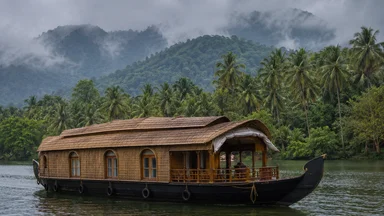
The price plunge is not limited to budget hotels. Luxury resorts in Kumarakom and Thekkady, which charge ₹20,000 or more in November, often offer monsoon packages at ₹8,000–12,000, sometimes including meals or Ayurveda sessions. Houseboat tariffs, which can hit ₹15,000–25,000 for an overnight cruise in November, drop to roughly ₹5,000–8,000 in July. The discount is real and it is large.
But why such a dramatic drop? The answer is simple: demand. November marks the start of Kerala's dry, cool season, with clear skies and temperatures between 23 and 32°C. It attracts large numbers of European and domestic tourists. Monsoon, by contrast, scares away the casual traveler. The result is a market where supply far exceeds demand, and hoteliers slash rates to fill rooms.
One caveat: these figures are based on 2023–2024 data, and rates can vary by property and booking channel. Always check cancellation policies, as rain can force last-minute changes.
Why November Commands Such a Premium
November is Kerala's picture-perfect month. The monsoon has retreated, leaving behind lush green landscapes and sparkling backwaters. The weather is warm but not oppressive, with daytime highs around 30°C and evenings cool enough for a light jacket. It is no coincidence that this is when Kerala's tourism board runs its biggest promotional campaigns.
The demand surge is driven by two main groups: European travelers escaping winter, and domestic tourists from northern India seeking a warm-weather break. According to Kerala Tourism statistics from 2023, foreign arrivals peak between November and February, accounting for roughly 40 percent of annual visitors. Domestic tourism also spikes during the Diwali and Christmas holidays, pushing occupancy rates above 90 percent in popular areas like Munnar and Alleppey.
Houseboat operators are the biggest beneficiaries. In November, a standard rice-barge houseboat with one bedroom and a crew of three can command ₹15,000–25,000 per night, and many are booked weeks in advance. By June, the same boat might go for ₹5,000–8,000, and you can often negotiate further. The difference is not just seasonal; it is structural. November demand outstrips supply, especially for premium boats with air conditioning and modern amenities.
For travelers who can tolerate some uncertainty, the premium paid in November is largely for guaranteed good weather. Whether that is worth the extra ₹5,000–10,000 per night depends on your tolerance for rain and your flexibility with plans.
The Monsoon Reality: Rain, Yes, But Not Continuous Downpour
Many first-time visitors imagine monsoon as a non-stop deluge. The reality is more nuanced. Kerala's southwest monsoon brings heavy rain, but it typically falls in bursts. Mornings are often sunny or partly cloudy, with rain starting in the afternoon or evening. According to the Kerala State Disaster Management Authority, roughly 85 percent of rainy days between June and September have what they call "sun breaks" — periods of at least two hours without rain.
Average rainfall during the monsoon is about 1,200 mm over four months, but distribution varies. June is usually the wettest, with some areas receiving over 400 mm. July and August see slightly less, around 300–350 mm each. September is transitional, with rainfall dropping to about 200 mm. The key is that rain is rarely continuous for a whole day. You can often plan outdoor activities in the morning and retreat to a café or spa in the afternoon.
That said, there are days when the sky opens up and stays open. In July 2023, for example, Kochi received 180 mm in a single 24-hour period, causing localized flooding. Such events are not common, but they happen. Travelers should pack waterproof gear, a backup power bank (power cuts are more frequent in monsoon), and a willingness to change plans on short notice.
One practical tip: check the India Meteorological Department's district-level forecasts, which are updated twice daily. They are more reliable than generic weather apps for predicting local rain patterns.
What Actually Improves in the Rainy Season
While the weather is less predictable, several experiences genuinely improve during the monsoon. Ayurveda treatments, for instance, are traditionally considered most effective during the rainy season, when the body's pores are open and absorption is higher. Many certified Ayurveda centers offer discounts of 30 to 50 percent on packages during monsoon. A seven-day treatment program that might cost ₹25,000–35,000 in November can be had for ₹15,000–20,000 in July.
Spice plantations in Thekkady and Munnar are at their most vibrant. The rain brings fresh growth, and you can see cardamom, pepper, and vanilla plants in full leaf. Tour operators often offer monsoon-specific walks that focus on the wet-season ecology. Waterfalls like Athirappilly and Meenmutty are at their most powerful, with volumes easily double or triple the dry-season flow. The sight is spectacular, though the paths can be slippery.
Crowds are another major advantage. Popular spots like the Periyar Wildlife Sanctuary in Thekkady see visitor numbers drop by roughly 60 percent in monsoon. You can often book a boat safari on the lake without the usual queues. Similarly, the beaches of Varkala and Kovalam are nearly empty, though swimming is not advised due to rough seas and strong currents.
For those interested in cultural festivals, the Onam celebration falls in August or September, depending on the Malayalam calendar. While it coincides with monsoon, the festival brings traditional boat races (Vallam Kali), flower carpets (Pookalam), and feasts. It is a vibrant time to visit, and room rates remain far below November levels.
Hidden Costs That Can Erase the Room Savings
The monsoon discount is real, but it comes with potential costs that can eat into your budget. Flight cancellations and delays are more common during monsoon. Data from the Airports Authority of India for 2023 shows that roughly 5 to 10 percent of flights to and from Kochi and Thiruvananthapuram were delayed by more than two hours during June–August, compared to about 2 percent in November. Cancellations are rare but do happen, especially during cyclonic storms that form in the Arabian Sea.
Houseboat rides are another risk. In heavy rain, operators often cancel or shorten cruises for safety reasons. You might book a 24-hour cruise and end up with a 12-hour trip, or none at all. Some operators offer refunds, but many only reschedule. If you have a tight itinerary, you could lose both time and money.
Road access to hill stations like Munnar can be disrupted by landslides. The NH 85, the main route from Kochi to Munnar, is prone to slides during heavy rain. In August 2024, a landslide near Adimali closed the road for three days, stranding dozens of tourists. While such events are not the norm, they happen once or twice a season. Travel insurance that covers trip interruption is advisable, but monsoon-specific policies often cost ₹500–1,000 extra, based on quotes from major providers in early 2025.
Finally, the humidity can be oppressive. Even when it is not raining, the air feels heavy, and air conditioning becomes a necessity rather than a luxury. Some budget hotels do not have AC, or charge extra for it. Factor in an additional ₹500–1,000 per night for AC rooms during monsoon.
The Shoulder-Season Sweet Spot: Late September to Early October
For travelers who want the best of both worlds — lower rates and better weather — the shoulder season from late September to early October is ideal. The southwest monsoon is winding down, with rainfall dropping to about 100–150 mm per month. The skies are clearer, and the risk of prolonged downpours is lower. Yet room rates are still 40 to 50 percent below November peak.
Booking data from 2024 shows that occupancy rates in early October hovered around 55 to 60 percent in Alleppey and Munnar, compared to over 90 percent in November. That means more room choices and easier bargaining. Houseboat operators also resume full schedules by late September, as the backwaters become safe for cruising again.
The Onam festival, which often falls in late August or early September, adds cultural value without the price spike of a major holiday. Many hotels offer Onam special packages that include traditional feasts and cultural performances, often at the same rates as the monsoon season.
One caution: the northeast monsoon, which affects southern Tamil Nadu more than Kerala, can bring occasional rain in October. But it is usually lighter and shorter-lived. For most travelers, late September to early October offers the best balance of affordability and reliability.
How to Lock In the Discount Without the Downside
To maximize savings while minimizing risk, a few strategies help. First, book refundable rooms. Most major booking platforms offer free cancellation up to 24 or 48 hours before check-in. Given that monsoon weather forecasts are reasonably accurate three to five days out, you can monitor conditions and adjust plans without penalty.
Second, look for monsoon package deals at heritage hotels. Properties like Spice Village in Thekkady or Brunton Boatyard in Fort Kochi often offer all-inclusive monsoon rates that include meals, Ayurveda treatments, and guided walks. These packages can save 30 to 50 percent compared to booking everything separately in high season.
Third, choose your location carefully. Low-lying beach resorts near Kovalam or Varkala are more prone to flooding and rough seas. Instead, opt for elevated plantations in Munnar or Wayanad, or heritage properties in Fort Kochi, which have better drainage and fewer weather-related disruptions. Hill stations like Vagamon and Thekkady also offer good alternatives.
Finally, check Kerala Tourism's monsoon-specific itineraries, which were updated in early 2025. These itineraries focus on rain-safe activities like spice plantation tours, cooking classes, and indoor cultural performances. They also list certified Ayurveda centers and monsoon-friendly accommodations. The official website provides a downloadable PDF with route maps and contact numbers for local tourism offices.
For a broader perspective on seasonal pricing in South Asia, our article on Zanzibar Spice Festival Lodging Rates shows how festival-driven demand can inflate prices similarly. And for a city-level comparison, Nairobi Matatu Route Math illustrates how transport costs can offset lodging savings.
Is Monsoon Travel Right for You? A Decision Framework
Given the trade-offs, it helps to assess your personal priorities before booking. Ask yourself: how flexible are your travel dates? If you have a fixed schedule with non-refundable flights, the risk of weather disruptions is higher. Travelers with a loose itinerary can easily shift activities to sunny windows or swap a beach day for a spice plantation tour.
Consider your tolerance for humidity. If you find 30°C with 80 percent humidity uncomfortable even with air conditioning, monsoon may not be your ideal season. However, many hill stations like Munnar and Wayanad remain cooler, with daytime highs around 22–25°C and lower humidity, making them comfortable even in rain.
Another factor is your interest in specific activities. If your primary goal is houseboat cruising, the monsoon brings a higher chance of cancellations. But if you are keen on Ayurveda, the rainy season is actually recommended by practitioners. Similarly, wildlife enthusiasts may prefer the dry season for easier animal sightings, but the lush green landscapes during monsoon offer a different kind of beauty.
Budget travelers who are comfortable with uncertainty will find the biggest savings. A couple traveling in November might spend around ₹25,000 per night on a decent hotel and houseboat combination. In July, the same experience could cost ₹10,000–12,000, saving roughly ₹13,000–15,000 per night. Over a week-long trip, that adds up to savings of nearly ₹1,00,000, enough to cover flights from many destinations.
Families with children should weigh the pros and cons carefully. While the lack of crowds is appealing, continuous rain can limit outdoor play. Many resorts offer indoor activities like cooking classes, art workshops, and indoor pools, but not all properties are well-equipped. Checking family-friendly amenities before booking is essential.
Solo travelers and couples without children are arguably the best candidates for monsoon travel. They can adapt more easily, take advantage of empty attractions, and enjoy the romantic ambiance of misty hills and rain on tin roofs. Many boutique hotels in Fort Kochi and Munnar offer special monsoon rates for solo travelers, sometimes including a complimentary dinner.
Ultimately, the decision comes down to your risk tolerance. If you can accept that a few days might be washed out and that some activities may need to be swapped, the monsoon offers an unmatched value proposition. For those who prefer certainty, the November premium is a worthwhile investment.
In the end, Kerala's monsoon discount is a genuine opportunity, but it is not for everyone. Travelers who value certainty and perfect weather should stick to November. Those who can handle a little rain, pack a good umbrella, and stay flexible will find a Kerala that is quieter, greener, and far more affordable. The trade-off is real, and the choice depends on what you value more: savings or sunshine.